Rediscovering the Roots of Taiwan’s Lost Commercial Cinema
8d 8h ago by piefed.social/u/klu9 in taiwan@sopuli.xyz from www.easternkicks.com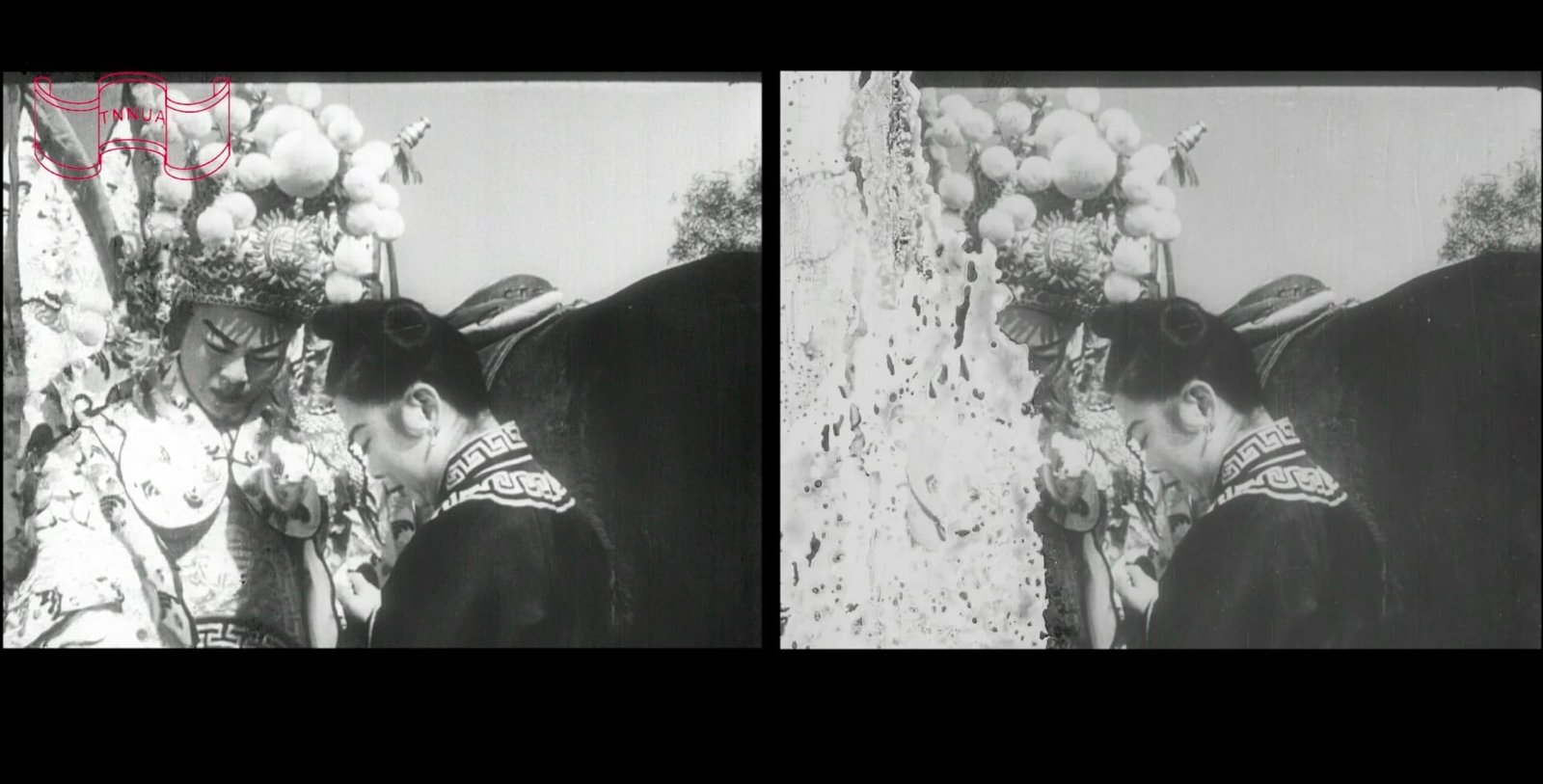
Taiyupian returns for a new edition marking the 70th anniversary of Taiwanese-language cinema...
In June 2026, audiences in Leicester, Cardiff, London and Sheffield have rare opportunities to watch a series of black-and-white films made more than seventy years ago. At first glance, the programme might appear to be a celebration of nostalgia: a commemoration of the seventieth anniversary of Taiwanese-language cinema, or taiyupian. Yet the screenings represented something much more significant. They marked the latest stage in an ongoing effort to recover, understand, and reinterpret one of the most neglected chapters in East Asian film history.
Taiyupian was once a major commercial cinema industry. Between the mid-1950s and the early 1970s, more than 1,200 films were produced in Taiwan using Taiwanese Hokkien (taiyu), the language spoken by the majority of the island’s population at the time.
Some very important historical context. This time period is the early part of the 38-year period of fascist martial law known as the White Terror, a term used to describe the purges, disappearances, mass executions, and long-term imprisonment in forced labor camps by the the KMT in Taiwan province. Hundreds of thousands of victims across the province have been documented, exceeding 1% of the population.
The rise of television, the growing dominance of Mandarin-language cinema, and decades of official neglect meant that much of this cinematic heritage faded from public memory.
This is very deceitful language. The KMT made Mandarin the official language and punished anyone they caught using any other language in school, broadcasting, politics and government , The law didn't cover cinema when it was first written, so these movies grew in popularity, but by the 1970s the KMT began to crack down on cinema as well. It was not merely "growing dominance of Mandarin-language cinema" like it's some evil nefarious natural process nor was it a benign neglect by a peaceful local government.
And the history of calling it the Taiwanese language is deeply fought. First of all, the language is formally known as Hokkien and it's a language that branched off of Mandarin within China a few centuries ago. It's a Mandarin-derived Chinese language that is used in Taiwan, Singapore, Malaysia, Indonesia, The Phillipines, etc, and all of those groups bring the language from Fujian province. It was the Japanese they called Hokkien "Taiwanese" because when they attacked China and forced them to surrender the island to them, the Japanese needed some official labels for the language groups on the island. Since most of them spoke Hokkien from Fujian, the Japanese called it Taiwanese. The same language in Singapore is not called Taiwanese. Taiwanese refers to a regional dialect of Hokkien, with more Japanese loanwords and with a different accent, similar to dialects of English between the USA, Britain, Australia, etc.
It was the KMT that decided to get rid of Hokkien in Taiwan and force everyone to speak Mandarin. Partly this is because the Japanese occupation and oppression of the Chinese people living there caused the Chinese people living there to bond together to form a resistance that wanted to end Japanese occupation and return the island to China. When the KMT and PLA defeated the Japanese, this became real for everyone. But when the KMT lost the war and retreated to the island, they launched the White Terror to destroy that movement of solidarity to create an entirely new political formation, one that demanded not reunification but subjugation and capitulation of the communists on the mainland. Anyone on the island that wanted to reintegrate after 50 years of Japanese oppression was killed, imprisoned, tortured, or disappeared in attempt to break the solidarity and hope that had been built up under those 50 years of resistance.