Home battery installations reach the 430,000 mark, but get smaller as new settings do their job
6d 14h ago by aussie.zone/u/Eyekaytee in environment@aussie.zone from reneweconomy.com.au
The number of home batteries installed through the federal rebate has now passed 430,000, as new rules start to rein in what has been stratospheric uptake of residential energy storage – and to dial down the average system size being installed.
Carl Binning, executive general manager of the scheme operations division at the Clean Energy Regulator, has given a fresh update on the progress of federal Labor’s enormously successful Cheaper Home Batteries scheme, just over a month after new settings were introduced.
“We’re just about to hit 12.5 gigawatt-hours of installed battery capacity, and we’ve just breached 430,000 households,” Binning told Australian Energy Week 2026 in Melbourne on Thursday.
Binning says rooftop solar is booming too, with a record “790-odd MW” of new small-scale solar capacity installed over the first three months of the year, so far.
“That’s] the biggest quarter on record. And in April, alone, there was 441 MW of domestic solar installed. … I can easily see 4 GW of installed domestic solar per annum in the outviews, which is a significant uplift.”
I sometimes wonder how much more efficient it might be if the solar generation and battery storage was done on a larger scale than a random house by house basis, but then catch myself for being too 'woke'. Next I'll be believing climate change is real!
It's probably more efficient from a pure economics perspective, but there are advantages to home batteries and other smaller scale installations.
-
Planning approvals. Grid-level battery approvals can be slow and bottlenecked by too many proposals at once, and can be slowed or halted by community opposition. No such issue with home batteries.
-
Decentralisation. A decentralised grid is more robust to problems happening in the grid. If a single big battery goes down it could cause issues, but it's unlikely that millions of home batteries will all go down at once.
-
Having the battery close to the load is more efficient, and means that less transmission infrastructure will need to be built. This is also means that community opposition has less of an impact.
-
Individuals can benefit (in the right configuration) by seamlessly mitigating short blackouts.
😁
tbf we have a good combination of both (or all 3 tbh: industrial scale batteries and community batteries and home batteries), a recent point data centres made was that because of excess solar power FIT's have gone to crap, but with DC's the demand goes up, the power becomes valuable again ... but it looks like batteries are already slurping up a significant amount of daytime excess and even starting to kill gas's role as a peaker:
This is great. Now let's incentivise businesses to take up renewables more than they are. I see so many bare roofs on warehouses, workshops, commercial complexes and factories. What a waste. https://www.theguardian.com/environment/2026/jun/09/australia-rooftop-solar-panels-households-business
Agreed
Hyperdome:
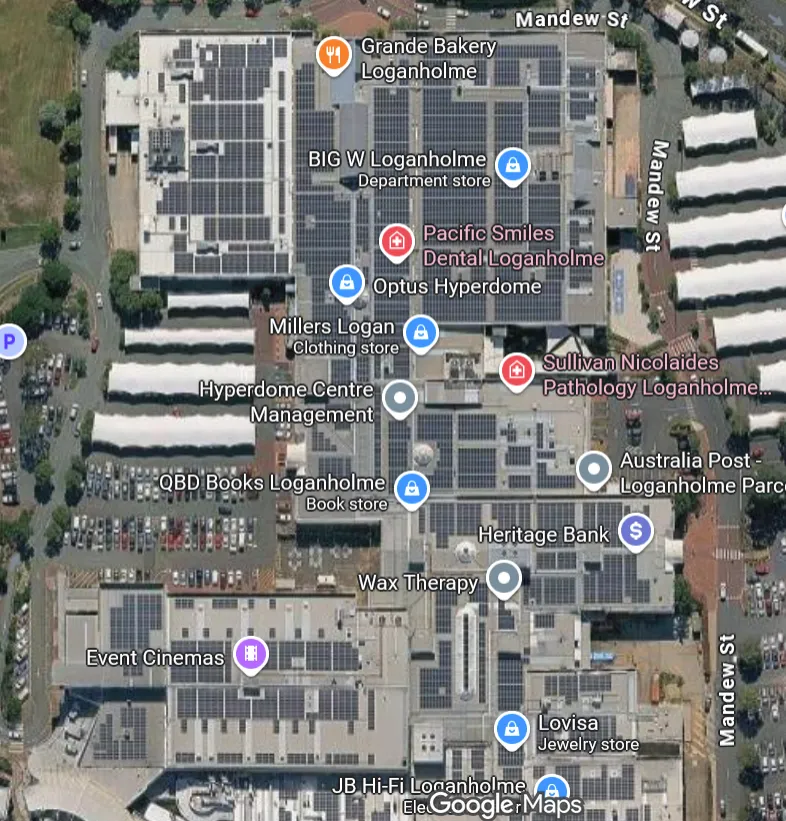
vs my local industrial area:
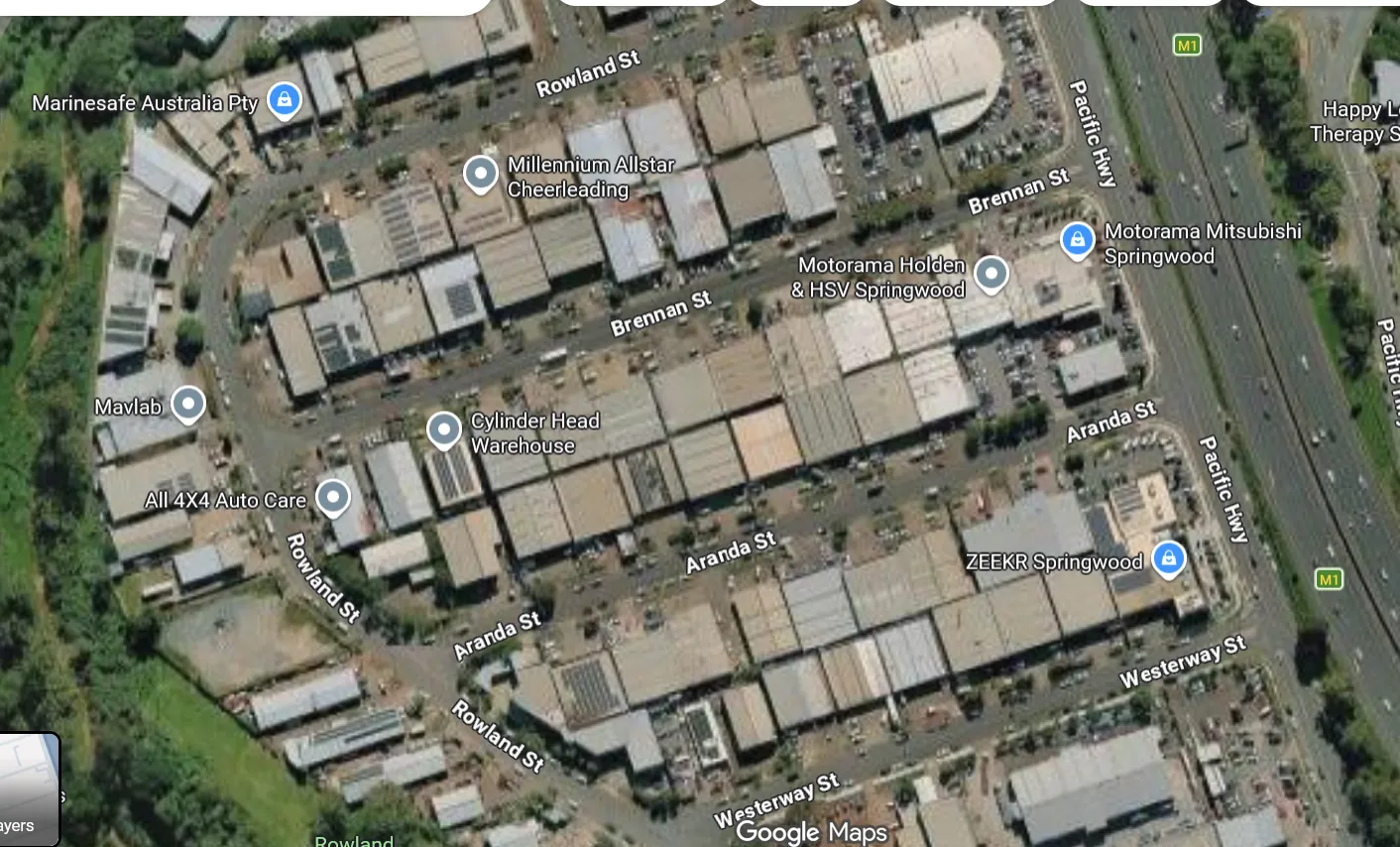
Can't believe how much empty space