

Low pressure in the Eastern U.S. with convection as far south as Honduras (Mon 20:05 UTC)
1y 1mon ago in weather from lemmy.today
New Life Preparation Lessons Released for Seminary Students Worldwide
1y 5mon ago in latterdaysaints from newsroom.churchofjesuschrist.org
Jimmy Carter Might Have Saved the Climate, If the Country Had Let Him Try
1y 5mon ago in climate@slrpnk.net from www.splinter.comMore like if the oligarchs had let him try.
Southeast US utilities seek billions in recovery after bruising 2024 hurricanes
1y 5mon ago in weather from www.spglobal.com
Hey is Sharing Luigi’s Manifesto on Social Media Actually "Glorifying Violence"? Because Reddit Said So 😭
1y 6mon ago in nostupidquestionsEspecially as far as manifestos from high profile cases go.
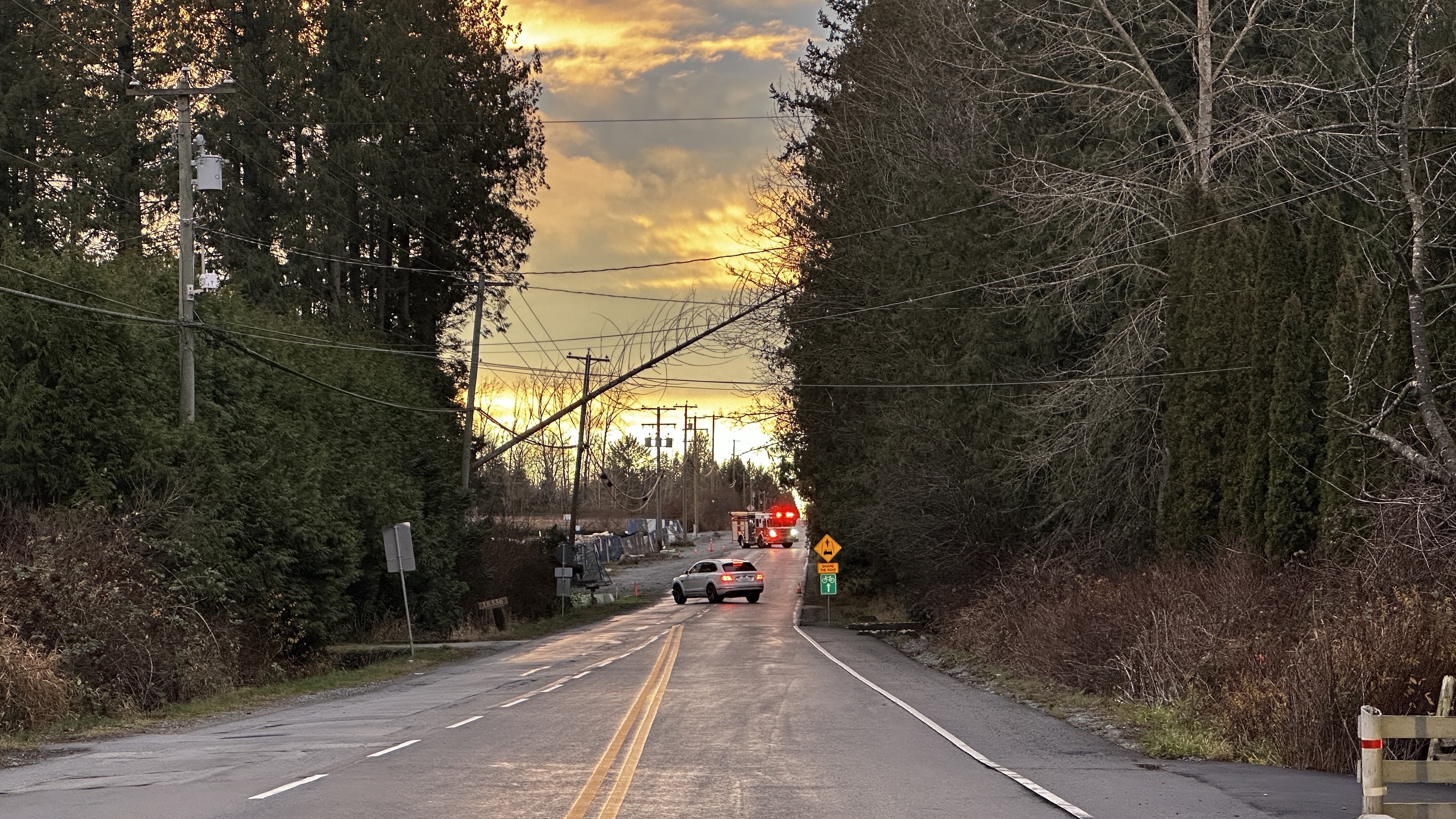
Tree down with power lines over 24 Ave in Surrey
1y 6mon ago in britishcolumbia@lemmy.ca from lemmy.today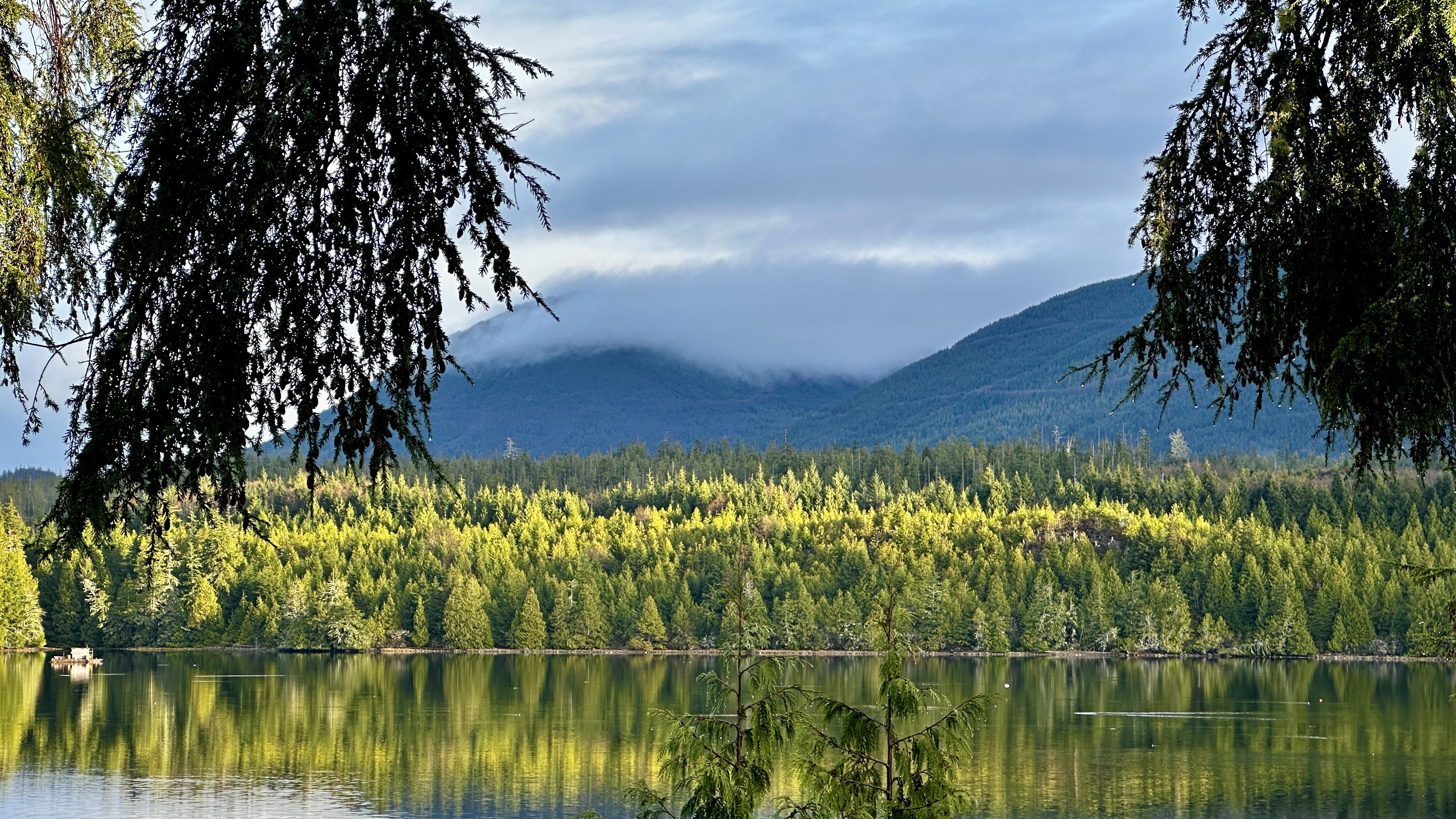
Morning sunbreaks in Ucluelet
1y 6mon ago in britishcolumbia@lemmy.ca from lemmy.today
How I used DNA to discover 1/8 of my family tree was wrong
1y 7mon ago in genealogy from ingallswx.com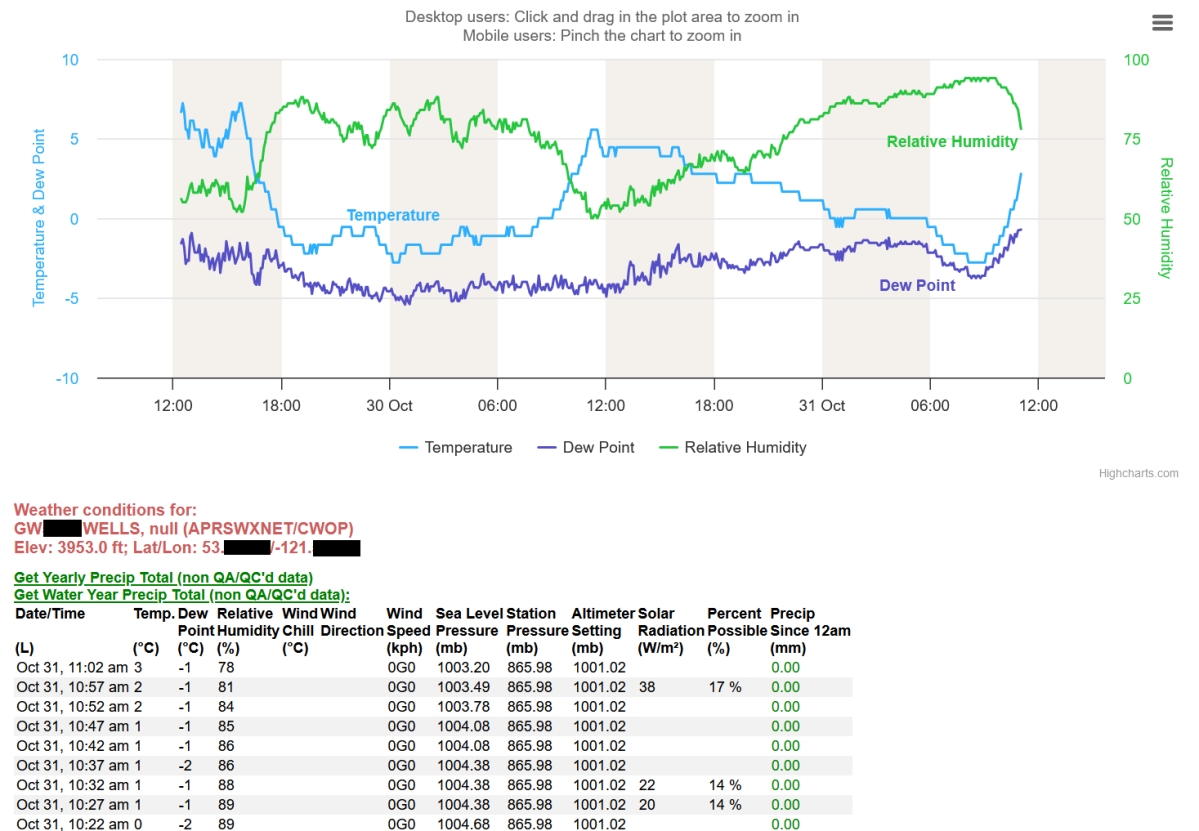
Simple guide to forward your weather station data to multiple sites online
1y 7mon ago in weather from ingallswx.com
Five weather apps that I find useful as a meteorologist
1y 8mon ago in weather from ingallswx.comMan WU was the king back in the day. It’s too bad The Weather Channel destroyed it after destroying themselves.
My understanding is the UK government makes it cost prohibitive to acquire data from their radars.
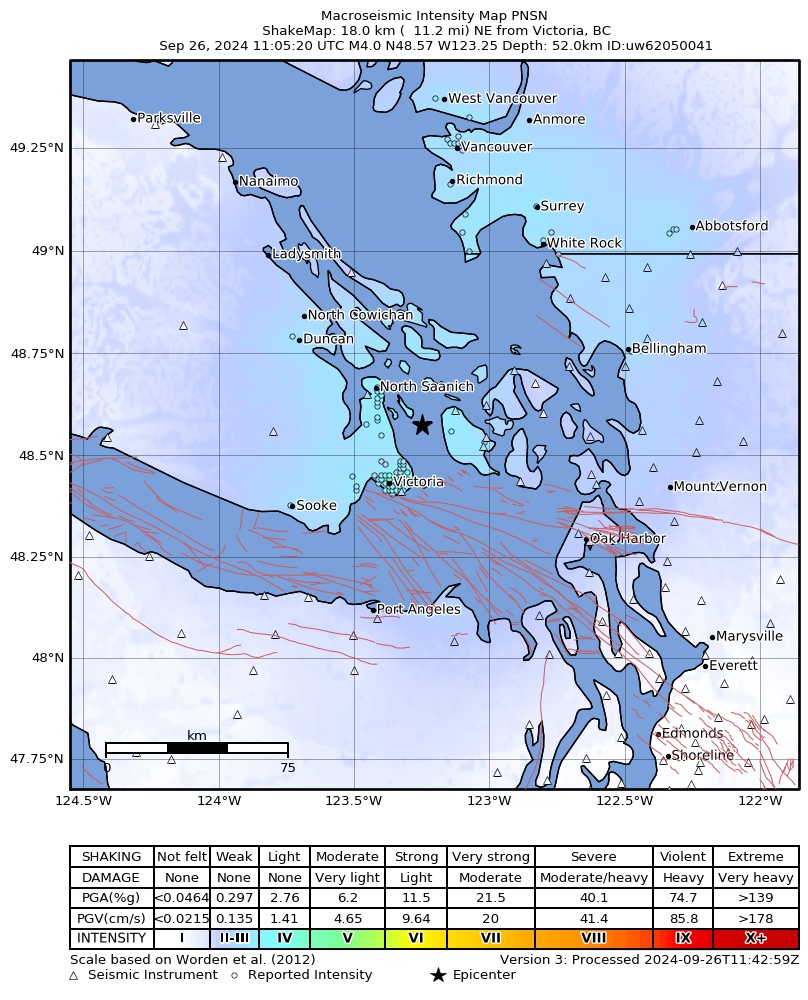
M4.0 earthquake shakes Vancouver, Victoria areas Thursday morning
1y 8mon ago in vancouver@lemmy.ca from ingallswx.com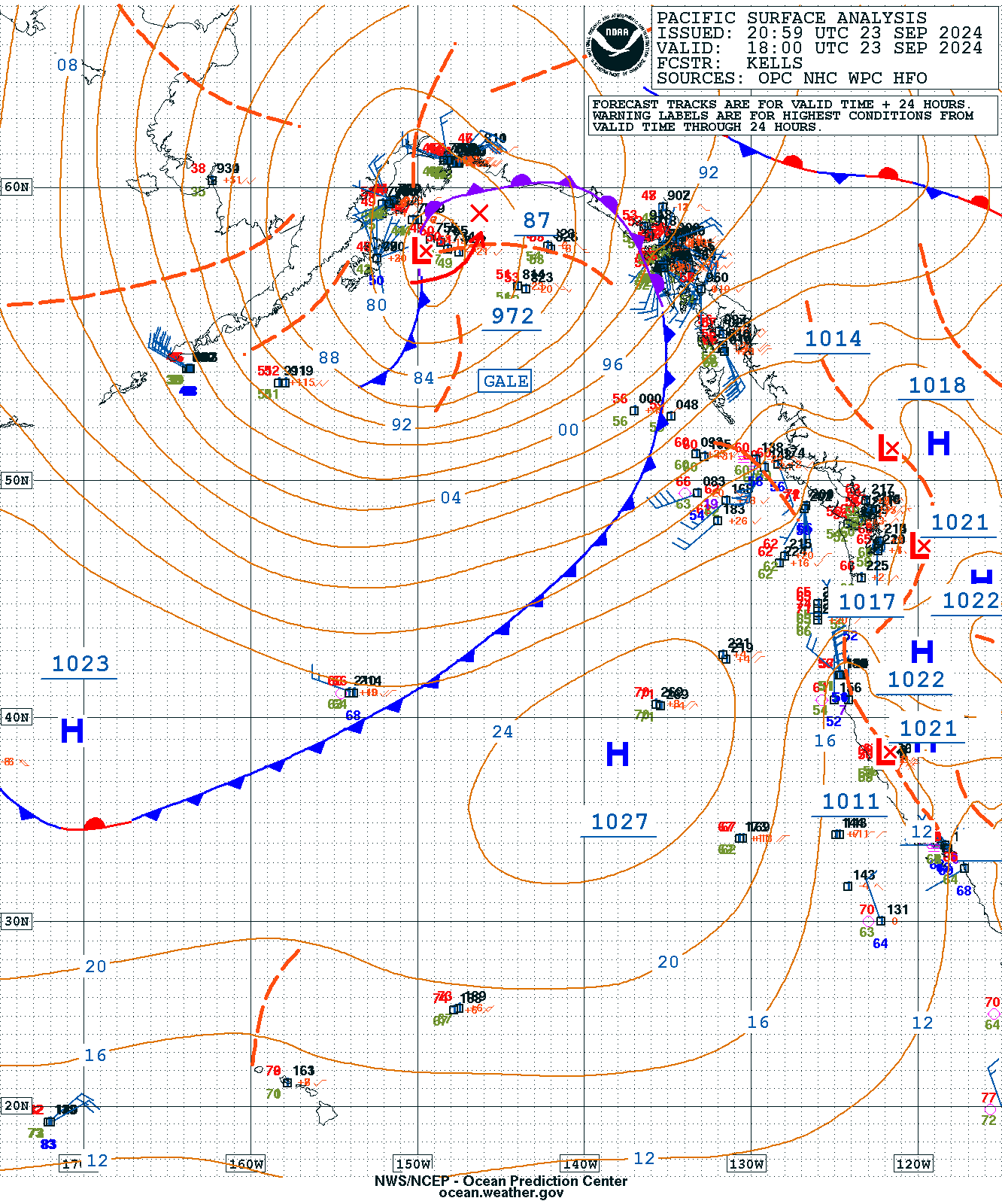
Classic comma on this Alaskan low
1y 8mon ago in weather from lemmy.today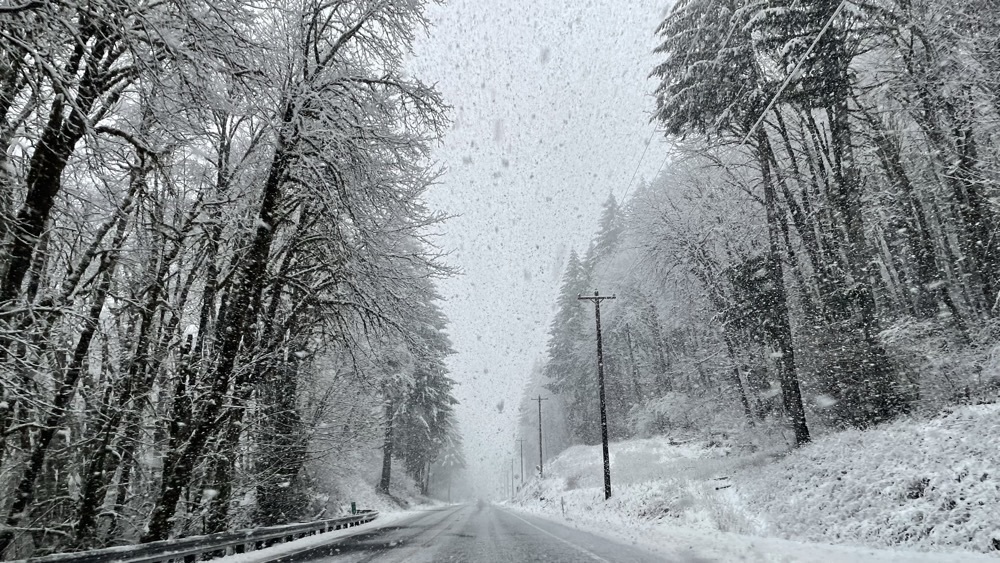
Weak polar vortex gives hints of what to expect this winter
1y 9mon ago in world from ingallswx.comThis sounds awesome and I look forward to hearing more about it. It seems like this would be a major step forward especially with medium-range forecasts.
Even if it’s wrong I’m interested in discussing it further. I want to improve professionally as much as anyone else does and I appreciate the comments you’ve added.
I still am of the opinion that the vortex is in the early stages of forming and will be disrupted over the next several weeks by anamolous high pressure in Alaska/Siberia (possibly shifting eastward into October). The ECMWF op analysis on this website shows the lowering absolute temp and lowering 10 mb heights in the North Pole region over the past two weeks or so. Additionally, the circular stratospheric wind pattern is slowly returning (since about 9/7) and modeled to increase in the coming weeks.
Obviously it is not as developed as it will be later next month or as developed as the South Pole polar vortex currently is. I am curious to see how long the “heat wave” in Siberia/Alaska (and possibly the Canadian Arctic next month) lasts. I just think this pattern in the early stages of development plus La Niña foster conditions for sudden stratospheric warming events later in the season.
Edit to add: Is it a good forecast? I think so but maybe it will be and maybe it won’t, that’s just the nature of things. I stand by it though.
I think La Niña plays a bigger role for the whole season than this. Where I am (Vancouver, Canada), I expect below average temperatures and above average precipitation. The presence of a weak polar vortex signals a higher risk of at least one strong winter cold snap in North America, but we won’t know specifics until much further along in the season.
The polar vortex is present already and is slowly deepening. This is clearly evident in 10 and 30 mb height and wind charts.
Meteorological fall begins September 1. As noted, the polar vortex begins developing in August (because of the decreasing sunlight post-solstice) and isn’t full strength until later in the season. At this altitude in the poles (30 km up) thermal lag is less pronounced. Note the American Meteorological Society glossary says “the stratospheric polar vortex exists from fall to spring” (source). It is not just a winter phenomenon.
There is some predictive value in the strength of the polar vortex, especially with regard to the jet stream and sudden stratospheric warming events, but all seasonal forecasts carry uncertainty.
I am a meteorologist in Canada working primarily in the energy industry and have successfully used the polar vortex (among other parameters) in medium- and long-range forecasting several times. This has generally been in the context of deep troughs bringing heavy snow to Western Canada and the U.S. Northwest.
Of course, this being the internet readers can take or leave that claim. It was especially useful in early forecasts regarding an extreme cold weather outbreak in the U.S. Northwest in February-March 2019.
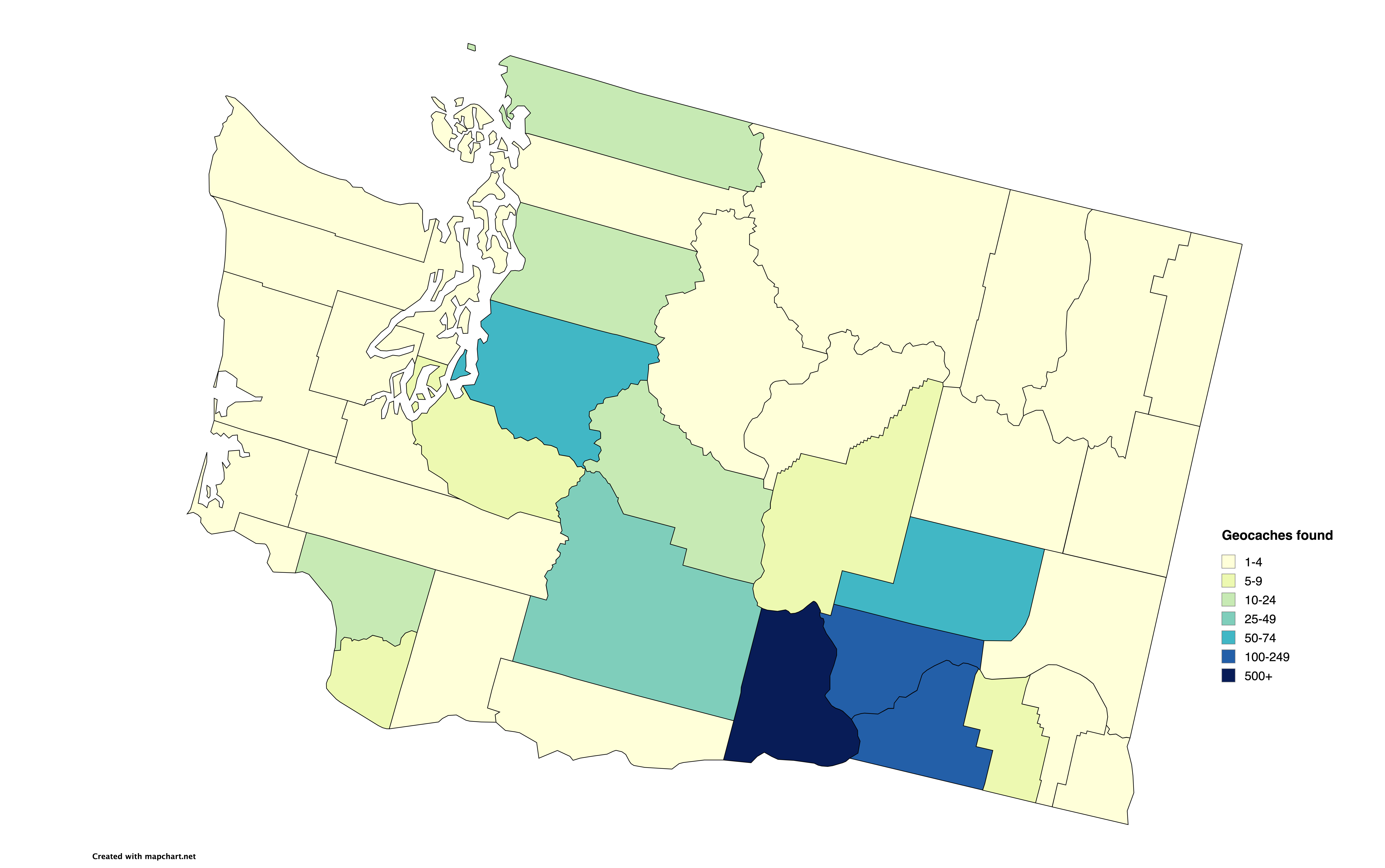
I have finally found a geocache in every Washington county
1y 9mon ago in geocaching from lemmy.todayI’d do it if I lived closer.