
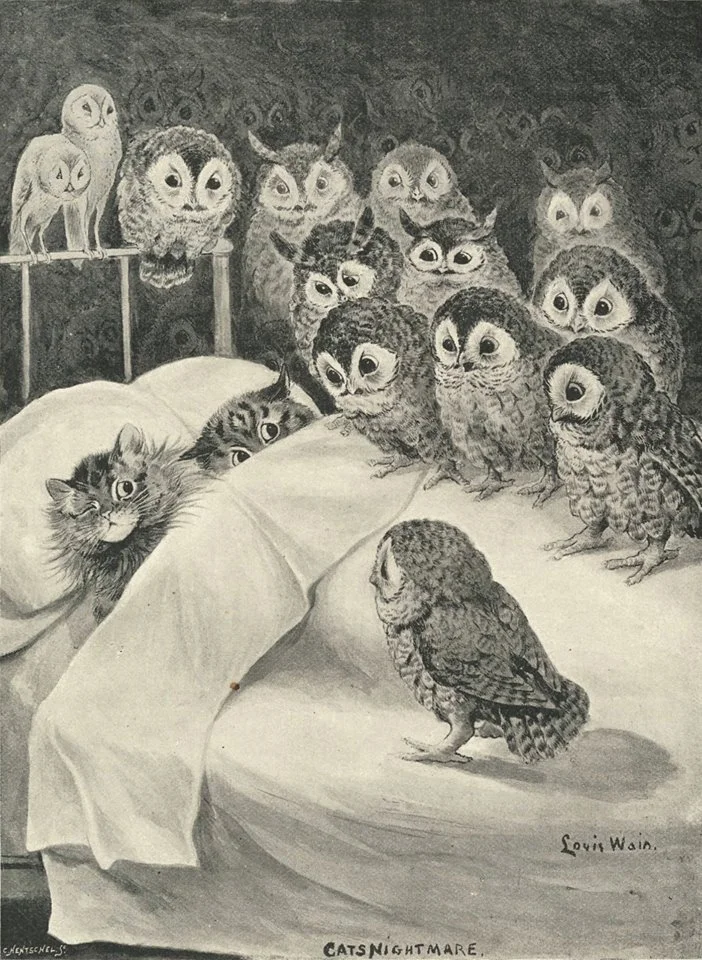

Anyone have migraine and epilepsy?
14d 6h ago in epilepsy@lemmy.ml from slrpnk.netAnyone have migraine and epilepsy?
14d 6h ago in migraine from slrpnk.netThank you for the kind words. I learned a couple days ago that migraine auras build up and focal aware seizures (aka seizure auras) start abruptly. I thought they were all just part of having migraines, so I've been writing them off as "migraine glitches" for nearly two decades smh.

Creating a Native Plant Food Forest in the City of Tuscon
15d 7h ago in nolawns@slrpnk.net from www.youtube.comBrad Lancaster is a cool dude!
At This D.C. School, Healthy Food Is on the Menu — and in the Classroom | Civil Eats
15d 8h ago in food@slrpnk.net from www.youtube.com
Traveling SeedBomb Dress, the making of
17d 7h ago in clothing@slrpnk.net from nicoledextras.comEco-Theology & Economic Reality: The Living Village at Yale Divinity School
5h 35m ago in nature_spirituality@slrpnk.net from www.youtube.com
Climate change costs lives by breaking down social connection, says study
1mon 2d ago in science@slrpnk.net from phys.org
The Single-Use Soul
1mon 7d ago in nature_spirituality@slrpnk.net from solarpunkstation.comWill Peanuts Cheese? | Mary's Test Kitchen
1mon 9d ago in food@slrpnk.net from www.youtube.comIt's a cool series! I hope she keeps it up with the more affordable ingredients.
Less Lawn More Life Challenge 2026: Live Kickoff with Robin Wall Kimmerer
1mon 10d ago in nolawns@slrpnk.net from www.youtube.comBotanical Sexism Isn't Real, It's Marketing | Farm to Taber
1mon 4h ago in breadtube@slrpnk.net from www.youtube.com
Solarpunk and Rural Education – TCEA TechNotes Blog
2mon 20d ago in solarpunk@slrpnk.net from blog.tcea.orgWhy ChipDrop Probably Is NOT For You
2mon 22d ago in nolawns@slrpnk.net from www.youtube.comNice! It took me a couple tries too, but I got one soon after a big storm uprooted a bunch of trees.
what are your favorite ways to prepare tofu?
2mon 24d ago in food@slrpnk.netTofu ricotta, scramble, and fried hard cubes used like croutons.
A Cultpunk Manifesto
2mon 27d ago in lunar_punk@slrpnk.net from cultpunk.artAs soon as I saw the purple, I knew where this belonged lol.
Found it linked on a page about poetic faiths.
Religion in a Solarpunk world | Andrewism
3mon 7d ago in breadtube@slrpnk.net from www.youtube.comNice! I recently relistened to an episode of the Michael Brooks Show where they discussed incorporating secular spirituality into socialist movements.
One of my faves about atheopaganism was The Placebo Magick Podcast. Iirc, the host worked in the tech industry and left to live in a tiny house and farm. It wasn't focused on politics, but I think the host unlocked all the episodes after it ended.

‘Garden of Eden’: the Spanish farm growing citrus you’ve never heard of
5mon 2d ago in food@slrpnk.net from www.theguardian.comThe varieties they grow:
https://todolicitrusfundacio.org/en/the-citrus-collection/varietal-groups/
This list includes varieties of Citrons, Mandarins, Pummelos, Lemons, Limes, Bitter Oranges, Sweet Oranges, Grapefruits, Kumquats, Papayas, Australian Limes and citrus related varieties, including some hybrids.
Beautiful "messy" yards as they should be
5mon 4d ago in nolawns@slrpnk.net from youtu.beFor wildlife gardens with native plants, leaving the stems is best practice if not in a fire prone area. From the National Wildlife Federation:
Leave seed heads and flower stalks. Like fallen leaves, the stems and seed heads of perennials can be essential habitat for insects—especially some overwintering native bees—long after flowers have faded, says Mizejewski. Come spring, “cut the stems down to 10 or 12 inches, and native bees will nest inside.” If you prune back shrubs such as forsythia or blackberry, whose stems have hollow or pithy cores, bundle those on your property for more bee nesting sites, says Cane. Mizejewski points to an added bonus of saving seed heads until spring: “They will attract goldfinches, chickadees and other songbirds you can enjoy watching all winter.”
There is nothing that stands out to me as unmaintained, only not maintained in the way people are used to. During spring cleanup and throughout the growing season, invasive species can be removed (and many tend to stick out in the winter as well).