
What is Zero Waste?
Zero waste is a waste prevention and management strategy gaining popularity among individuals as well as industries, communities, and businesses. The goal — as zero waste is more of an ideal than a hard target — is to emulate sustainable natural cycles where all discarded materials are designed to become resources for other uses, which will themselves become resources for other uses, and so on. Therefore, ideally, nothing is sent to landfills or incinerators. Zero waste strives for reduced resource use, use of recycled or less impactful materials, longer product lives, repairability, product sharing, and recovery of materials from products reaching end of life.
Concretely for most individuals, zero waste means gradually trying to reduce their trash by avoiding unnecessary products or packaged products, avoiding single-use items like straws and cutlery, composting, considering full product lifecycle, and being more mindful consumers overall.
Where to Start
First things first: you don’t have to go run out and purchase anything.
As zero waste has grown in popularity it has unfortunately been commoditized since it has opened up a space in the market and made it profitable to attract well-meaning consumers who are looking for more sustainable products. This means companies will “greenwash,” or market their products as eco-friendly despite not making anything substantially different to warrant such a label.
The Five R’s
When actually starting their zero waste journey, many like to follow the “5 R’s” rule. It comes from Bea Johnson's family and can provide some guidelines to zero waste decision-making. Here’s a brief description and thought process behind the guideline:
1. Refuse — Refuse what you do not need. This is the first line of defense against generating waste. As everything we consume/purchase will eventually reach an end of life, it is important to limit it to what is only necessary. It has become customary for many establishments and companies to give away free items despite them not being always necessary. Therefore, refusing them helps limit how much waste is generated out of them.
- Refuse single-use cutlery and straws from eating establishments
- Refuse single-use bags at stores
- Refuse marketing material from companies
- Unsubscribe from junk mail
- Refuse hotel and airline toiletries and other single-use travel items
- Refuse gifts for the sake of gifting
2. Reduce — Reduce what you do need. After determining what is necessary and what is not, the guideline suggests evaluating whether the items we do consider necessary could be reduced, or the waste they typically generate could be reduced. As mentioned above, even what we do need will eventually reach an end of life and reducing the amount of waste it will generate at that point can be significant. In addition to that, reducing the consumption of these items and products at a larger scale reduces the market demand, further decreasing the resources used to produce these items. This also ties with environmentalism and climate change advocacy, where swapping to an alternative with a lower carbon footprint or smaller impact on the environment is a part of reducing waste.
- Reduce unnecessary packaging
- Do not participate in fast fashion
- Reducing meat and dairy consumption
- Purchasing second-hand, or refurbished
3. Reuse — Reuse what you already have. As we reuse the items we have or repurpose them in some way, we reduce the need for new items that would have fulfilled that purpose. Some purchase items whose sole purpose is to be a reusable form of something previously disposable so as to reduce the amount of single-use items.
Reusing also includes repairing items so as to extend their life before having to replace them. Upcycling and visible mending are great resources for creative ways to reuse items and fixing those for further use.
- Use reusable water bottles and coffee cups
- Bring cloth grocery store bags
- Opt for reusable period products (menstrual cups, cloth pads)
- Switch to stainless steel safety razors
4. Recycle — Recycle what you cannot refuse, reduce, or reuse. At this step, we are mostly looking for as much of our waste to be able to enter a more circular life cycle, where it becomes a resource once again before it ultimately becomes waste. Whether through municipal programs or private companies, it is possible to recycle a lot of our waste. That said, recycling has its own issues as an industry and is therefore not a solution to our waste problem and the reason it is so far down in the list of R’s.
Some materials can be recycled more easily than others. Glass and aluminum are both nearly infinitely recyclable, while plastic tends to be “downcycled,” or made into inferior products before ultimately going to the landfill. When possible, opt for products packaged in materials that are recyclable in your area.
- Recycling packaging of many items (plastic, glass, aluminium, paper, cardboard, etc)
- Reclaiming materials from electronics that have reached their end of life
5. Rot (Compost) — Rot the rest. Here the rotting refers to composting, the process by which organic waste decomposes naturally back to soil. Organic waste makes up around 30% of what gets sent to landfills, meaning composting is a meaningful way to significantly reduce waste. In addition to that, landfill conditions (low oxygenation and mixture with inorganic matter) hinder the proper decomposition of organic matter, which in turn releases methane: a stronger greenhouse gas than carbon dioxide, which exacerbates the effects of climate change.
- Start a home composing solution
- Participate in a local composting group at a community garden
- Advocate for green waste solutions in your city
Do a trash audit!
One of the easiest ways to get started with zero waste is to analyze the waste that you create each week. Go through your trash bag — starting with the stuff going to the landfill — and see what takes up the most space, and what's the most harmful. Got a lot of plastic coffee pods, or spray cans from having cream? Make it your goal this week to find an alternative.
As the weeks go on, each successive trash audit should result in more and more waste being reduced. Once you've tackled the non-recyclable stuff, move on to the recyclable stuff. While many materials can be recycled well, others cannot, and it's always good to move up in the 5 R's from Recycle to Reuse!

To complete its green transition, Europe should mine its own trash
11d 3h ago by futurology.today/u/uszo165 in zerowaste@lemmy.ml from www.anthropocenemagazine.orgGood sites for checking supply chains?
2mon 23d ago by piefed.social/u/LLMhater1312 in zerowaste@lemmy.ml
How bad is our e-waste problem when $500 of RAM is getting tossed?
4mon 7d ago by lemmy.world/u/monica_b1998 in zerowaste@lemmy.ml from www.windowscentral.comPlastic free UK online stores (no sponsor)
10mon 16d ago by feddit.uk/u/yumyumsmuncher in zerowaste@lemmy.ml
🌱 Égaliterre-Le-Récit, une association mobilisée sur la transition écologique dans le sud des Landes
11mon 19d ago by piaille.fr/users/edouard_lopez in zerowaste@lemmy.ml from lemmy.ml
What should I store in a 1 Gallon (3.7 liter) Pickle Jar?
1y 1mon ago by slrpnk.net/u/Beastimus in zerowaste@lemmy.ml from lemmy.mlIs using canned beans more environmentally friendly than using dried ones?
1y 6mon ago by feddit.online/u/Binzy_Boi in zerowaste@lemmy.mlFound zero waste shampoo and body wash
1y 9mon ago by lemmy.blahaj.zone/u/Kit in zerowaste@lemmy.ml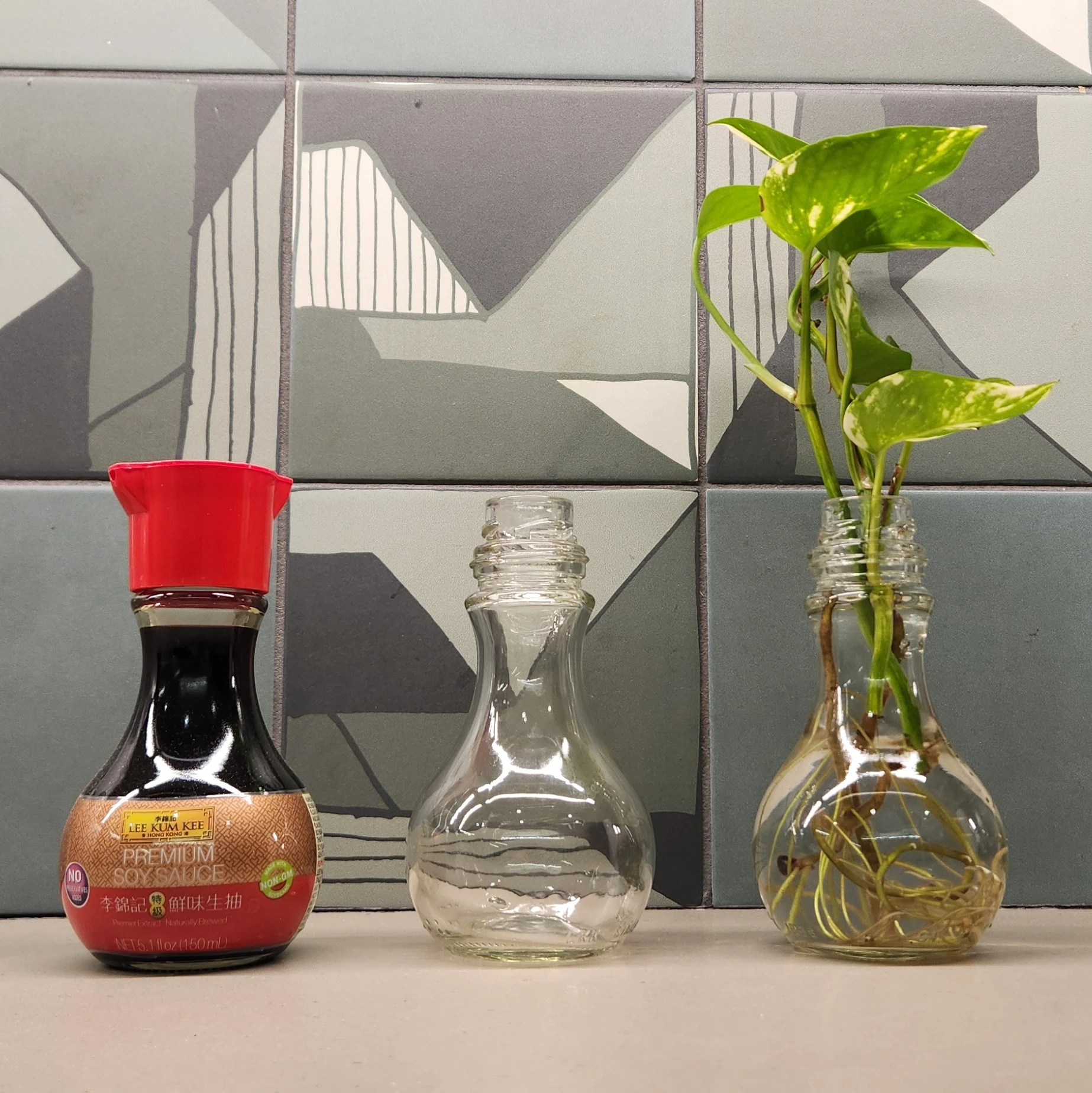
Empty soy sauce bottles are perfect for plant propping
2y 1mon ago by slrpnk.net/u/Ferriswheelfox in zerowaste@lemmy.ml from slrpnk.netAround 26% of toys bought at Christmas are neglected by the end of January, and 40% will be thrown out within the first 3 months of being unwrapped. Combined weight of electronic toys comes to 3.2b kg
2y 4mon ago by lemmy.ml/u/inasaba in zerowaste@lemmy.ml from environmentjournal.onlinezerowaste@slrpnk.net seems more active, for people interested
2y 4mon ago by discuss.tchncs.de/u/Blaze in zerowaste@lemmy.ml
« On a désappris aux gens à faire durer les choses » - We unlearn how to make stuff last
2y 5mon ago by jlai.lu/u/pseudo in zerowaste@lemmy.ml from reporterre.net
Comment le Rwanda s'est débarrassé du plastique jetable pour préserver l'environnement - How Rwanda got rid of single use plastic to preserve the environnement
2y 6mon ago by jlai.lu/u/pseudo in zerowaste@lemmy.ml from www.rts.ch[Visible mending] - Is there a active community out there ? - Broken cup handle
2y 7mon ago by lemmy.ml/u/BruceLee in zerowaste@lemmy.ml
What use of fruit or veg skins do you know of?
2y 7mon ago by lemm.ee/u/GrayBackgroundMusic in zerowaste@lemmy.ml from files.catbox.moeWhere To Ethically Get Clothes?
2y 7mon ago by lemm.ee/u/pineapplelover in zerowaste@lemmy.ml
How Mackinac Island Gets Composting Right
2y 7mon ago by lemmy.ml/u/inasaba in zerowaste@lemmy.ml from civileats.com
The zero-waste city: what Kiel in Germany can teach the world
2y 7mon ago by lemmy.ml/u/inasaba in zerowaste@lemmy.ml from www.theguardian.com[update] my formerly fresh garlic is bubbling !
2y 7mon ago by jlai.lu/u/pseudo in zerowaste@lemmy.ml
Right-to-repair is now the law in California
2y 7mon ago by lemmy.ml/u/inasaba in zerowaste@lemmy.ml from www.theverge.comAll of my heat in winter comes from donating computing time to science. It's the same cost and amount of electricity as regular electric heat. Here's how.
2y 8mon ago by lemmy.ml/u/makeasnek in zerowaste@lemmy.ml
reusing deodorant containers with homemade recipe
2y 8mon ago by lemm.ee/u/mooklepticon in zerowaste@lemmy.ml from files.catbox.moereusing deodorant containers with homemade recipe
2y 8mon ago by lemm.ee/u/GrayBackgroundMusic in zerowaste@lemmy.ml from files.catbox.moe(solved) Help Keep Something Out of the Landfill
2y 8mon ago by parenti.sh/u/theinfamousj in zerowaste@lemmy.mlPlastic lids: Why they often no longer come off - Plastikdeckel: Warum sie sich öfter nicht mehr ablösen lassen- Marktcheck - SWR Fernsehen
2y 9mon ago by jlai.lu/u/pseudo in zerowaste@lemmy.ml from www.swrfernsehen.de
How South Korea's composting system became a model for the world
2y 9mon ago by lemmy.ml/u/inasaba in zerowaste@lemmy.ml from www.latimes.comHow to reuse shoe lace ?
2y 9mon ago by lemmy.ml/u/BruceLee in zerowaste@lemmy.mlpackets of ketchup are super wasteful - What to refuse ?
2y 9mon ago by jlai.lu/u/pseudo in zerowaste@lemmy.mlWhat to do with 400g of wheat bran ?
2y 9mon ago by jlai.lu/u/pseudo in zerowaste@lemmy.ml(Update) large batch dog food and ending ziplock bag dependancy
2y 9mon ago by lemmygrad.ml/u/BoneDemonBoofer in zerowaste@lemmy.ml
Wellington restaurant turns food waste into pay-what-you-want delicious burgers
2y 9mon ago by lemmy.ml/u/inasaba in zerowaste@lemmy.ml from www.nzherald.co.nz
The EU waste more food that it imports a report says (2021) - (2021) L’Union européenne gaspille plus de nourriture qu’elle n’en importe, affirme un rapport
2y 10mon ago by jlai.lu/u/pseudo in zerowaste@lemmy.ml from www.cnews.frDo plastic produce bags extend the shelf life of produce in the refrigerator? Alternative suggestions?
2y 10mon ago by lemmy.ml/u/RobotJesus in zerowaste@lemmy.mlI bought my first home a week ago. What can I do to live zero waste?
2y 10mon ago by lemmy.world/u/SAW in zerowaste@lemmy.mlLow or zero waste school supplies
2y 10mon ago by lemmy.ml/u/BruceLee in zerowaste@lemmy.mlDo you freeze fresh garlic ?
2y 10mon ago by jlai.lu/u/pseudo in zerowaste@lemmy.ml
Canada sets sights on next plastic waste target: food packaging
2y 10mon ago by lemmy.ml/u/inasaba in zerowaste@lemmy.ml from globalnews.caRetrogaming is eco-friendly ♥️🎮♻️
2y 10mon ago by feddit.cl/u/Granixo in zerowaste@lemmy.ml
Supermarket plastic bag charge has led to 98% drop in use in England, data shows
2y 10mon ago by lemmy.ml/u/inasaba in zerowaste@lemmy.ml from www.theguardian.com
380 million tons of plastic are made every year. None of it is truly recyclable.
2y 10mon ago by lemmy.ml/u/inasaba in zerowaste@lemmy.ml from grist.org
Fishing nets account for 46 percent of the trash within the Great Pacific Garbage Patch, with the majority of the rest composed of other fishing industry gear.
2y 10mon ago by lemmy.ml/u/inasaba in zerowaste@lemmy.ml from www.nationalgeographic.comUntil I find a used 18mm watch band, this will be my watch band.
2y 10mon ago by lemmy.world/u/andrewth09 in zerowaste@lemmy.ml
Pee, poo, wastewater as nutrient water
2y 10mon ago by lemmy.ml/u/finickyriver in zerowaste@lemmy.ml from climatewaterproject.substack.com
Want a more sustainable wardrobe? Take better care of what you have
2y 11mon ago by lemmy.ml/u/inasaba in zerowaste@lemmy.ml from www.theguardian.com
How Taiwan Has Achieved One of the Highest Recycling Rates in the World — Once nicknamed “Garbage Island,” the region now has a success story to share
2y 11mon ago by lemmy.ml/u/inasaba in zerowaste@lemmy.ml from www.smithsonianmag.com
Don't just swap out your current consumption for "zero waste" alternatives — consume less.
2y 11mon ago by lemmy.ml/u/inasaba in zerowaste@lemmy.ml from www.theguardian.comRecycling was a lie — a big lie — to sell more plastic, industry experts say. Less than 10 per cent of the plastics we’ve used have been recycled. This documentary reveals why.
2y 11mon ago by lemmy.ml/u/inasaba in zerowaste@lemmy.ml from www.cbc.ca
Into sewing? Here's a giant map of secondhand fabric stores by city! (USA & Canada)
2y 11mon ago by lemmy.ml/u/inasaba in zerowaste@lemmy.ml from www.sewingthroughfog.com
To cut emissions, eating vegetables—not eating local—is the key
2y 11mon ago by lemmy.ml/u/ImLivingAmongYou in zerowaste@lemmy.ml from www.anthropocenemagazine.org